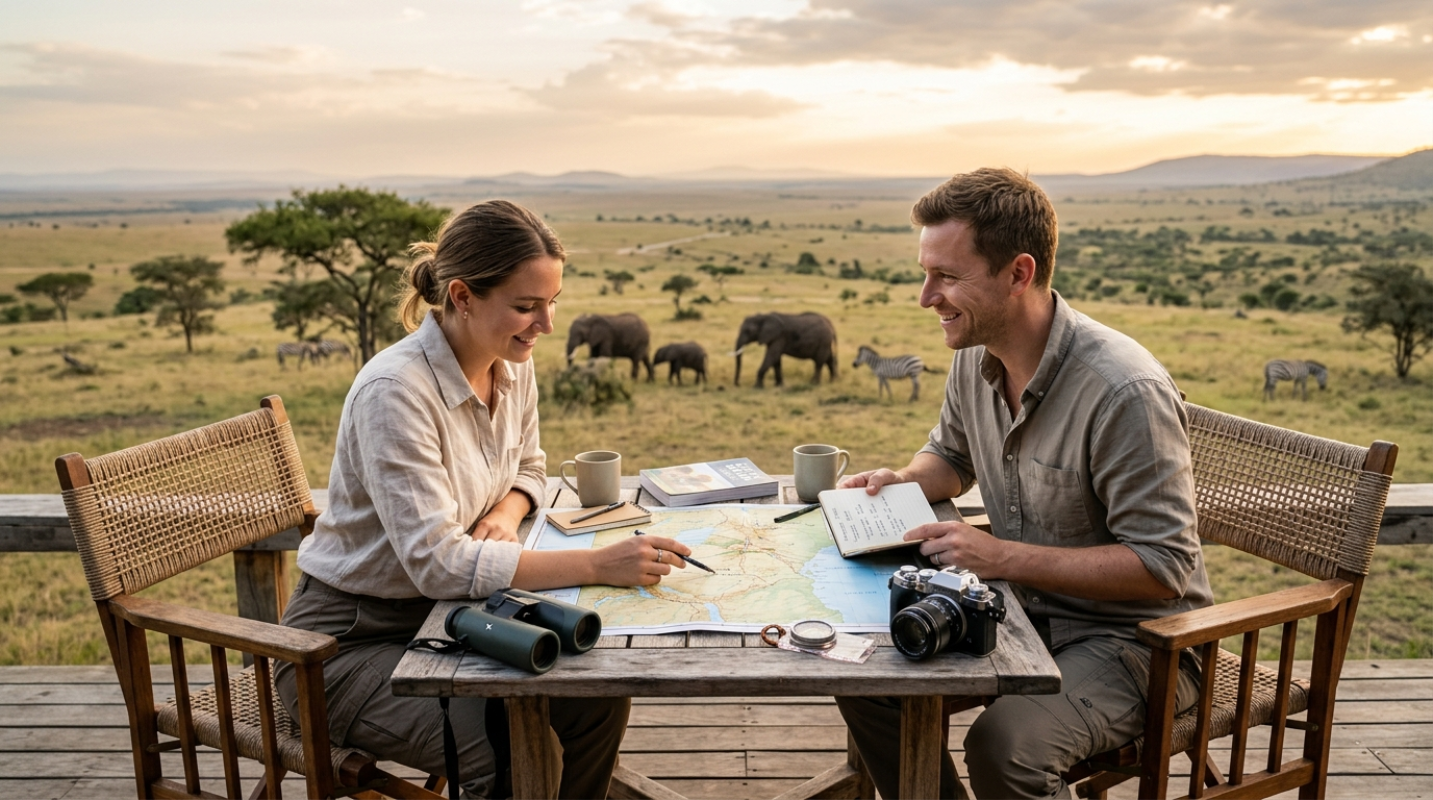
Imagine waking up before dawn. The air is freezing, and you are wrapped in a heavy canvas blanket in an open-top vehicle. As the sun begins to paint the sky in shades of deep orange and gold, you hear a low, rumbling roar that vibrates right through your chest. You look to your left, and a family of elephants is walking through the morning mist.
That is the magic of the African wilderness. It is a place that ruins you for any other kind of travel. Once you experience it, nothing else quite compares.
But planning your first safari can feel like trying to coordinate a space launch. With dozens of countries, vastly different weather patterns, and a dizzying array of lodges, it is easy to get overwhelmed. Where do you start? How much does it cost? What on earth do you pack?
Do not panic. This guide is your ultimate, no-stress roadmap to planning a seamless first safari. We will break down the destinations, the timing, the budgets, and the packing rules so you can book with confidence.
Choosing the Best Safari Destinations for Beginners
You do not need to hack your way through the jungle with a machete to see wildlife. The modern safari industry is a massive, professional network valued at over $37 billion.¹ For your first trip, you want to focus on areas that offer easy access, great safety records, comfortable lodging, and a very high chance of seeing the animals you have dreamed about.
Four countries stand out as the absolute best entry points for beginners.
South Africa
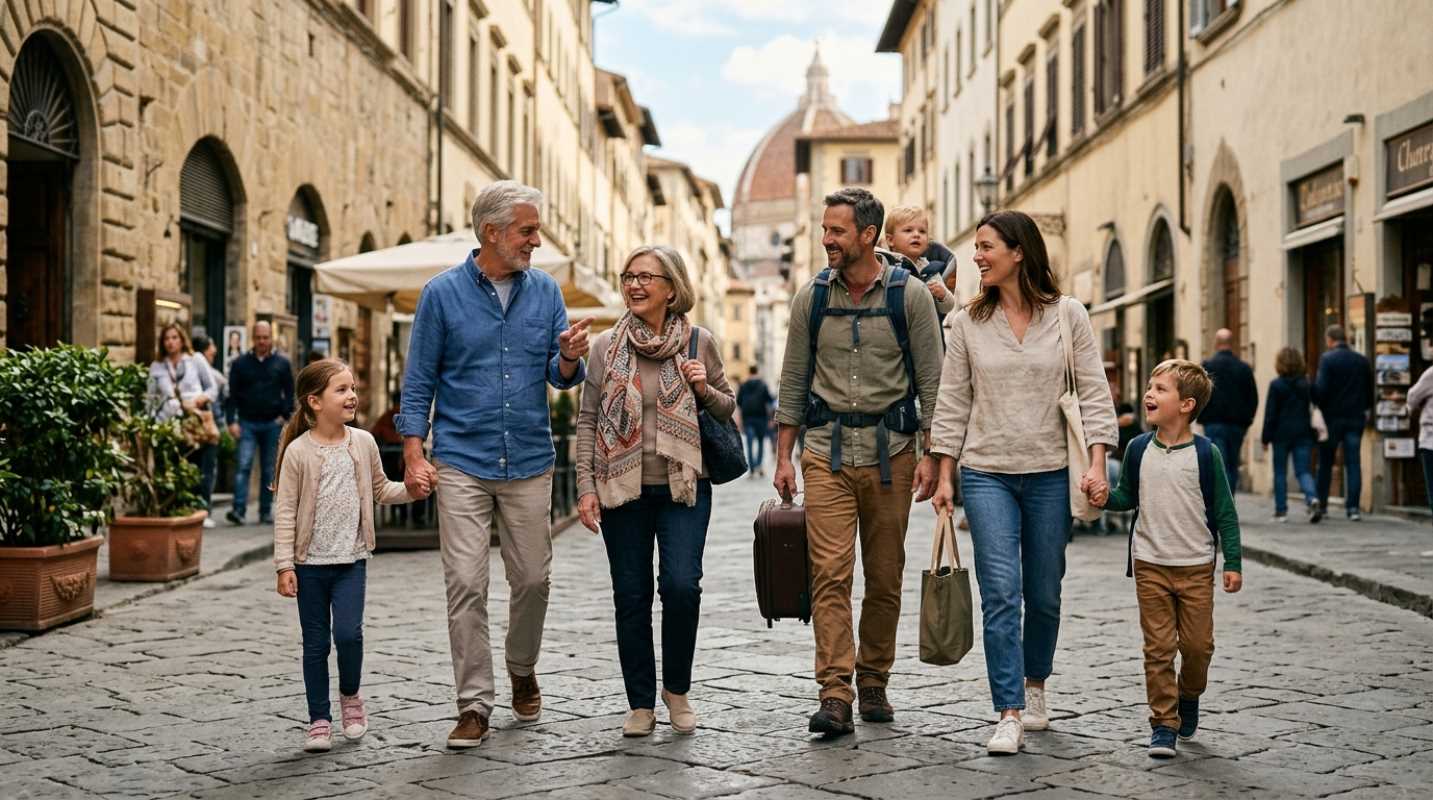
This is the easiest gateway country. South Africa has excellent roads, incredible food, and a huge variety of price points. It is also the premier destination for malaria-free safaris, which is a massive plus if you are traveling with kids or seniors.
The best part is that you can easily combine a five-day bush safari in the Kruger region with a few days exploring Cape Town and the Cape Winelands.
Kenya
If your dream safari involves endless golden grasslands, flat-topped acacia trees, and Maasai warriors, Kenya is where you belong. It has a century-old safari history and some of the best-trained guides on the continent.
This is where you go to see the legendary Great Migration and massive herds of elephants walking in front of Mount Kilimanjaro.
Tanzania
Tanzania is home to the famous Northern Circuit, a route that lets you visit multiple world-class parks by car or short hopper flights.
The crown jewel here is the Ngorongoro Crater. Because it is a massive volcanic caldera with steep walls, animals are naturally enclosed inside. It is probably the easiest place on earth to see the entire Big Five in a single afternoon.
Botswana
If you have a larger budget and want to avoid crowds, Botswana is the place. The country uses a low-volume tourism model, meaning they intentionally limit the number of lodge beds to protect the environment.
Here, you can swap the dusty 4x4 for a mokoro, which is a traditional dugout canoe, and glide quietly past hippos and elephants in the Okavango Delta. If you are looking for specific operators and packages to jumpstart your planning, consider these highly rated options.
Quick Guide to Beginner Destinations
• South Africa: Best for families and multi-destination trips. It has malaria-free options and is easy to combine with Cape Town.
• Kenya: Best for classic savannah spaces and birding. The highlight is the Great Migration from July to October.
• Tanzania: Best for high-density wildlife and dramatic spaces. The highlights are the Ngorongoro Crater and Serengeti.
• Botswana: Best for luxury, privacy, and water-based safaris. The highlight is exploring the Okavango Delta by canoe.
Timing is Everything when Planning Wildlife Viewing
Most first-timers assume that because Africa is warm, any time of year is great for a safari. That is a quick way to end up disappointed. Wildlife viewing is highly dependent on the seasons.
The dry season, which generally runs from June to October, is the gold standard for beginners. Because it does not rain, the bushes and grass wither away, making it much easier to spot a leopard hiding in a tree. Even better, water becomes scarce, so animals are forced to gather around known waterholes. You can park your vehicle near a pool and watch the drama unfold.
The wet season, often called the green season, runs from November to May. The bush turns a beautiful emerald green, and it is the time when many animals have babies. It is also much cheaper and less crowded. But the thick leaves make animals harder to spot, and they do not need to visit waterholes because there is water everywhere.
If you want to see the Great Migration in Kenya or Tanzania, timing is even more important. The herds move constantly, but they typically cross the treacherous Mara River between July and October. Book early if you want to witness this, because lodges fill up more than a year in advance.
Logistics and Preparation with Needed Safari Tips
Planning a safari is not a last-minute endeavor. You need to treat it like a major project.
First, let's talk about the booking timeline. You should start planning 9 to 18 months in advance, especially if you want to travel during the dry peak season. Top-tier lodges are tiny, often with fewer than 12 rooms, and they sell out fast.
Next up is your health. Visit a travel clinic at least four to six weeks before you leave. Most safari zones require malaria prevention pills, and some countries will not let you cross the border without a yellow fever vaccination certificate.
For packing, you have to forget everything you know about travel. If you are taking light air travel between bush airstrips, hard-shell suitcases are strictly banned. You must use a soft-sided duffel bag with no wheels or frames, usually capped at a strict 15 kg (33 lbs).
You also need to dress the part, but not for fashion. Stick to these rules
• Neutral colors: Wear khaki, beige, brown, and olive green to blend into the environment.
• Avoid white: The dust will turn your clothes orange within ten minutes.
• Avoid bright colors: Red and yellow can startle wildlife.
• Avoid blue and black: These colors actively attract tsetse flies, which have a nasty bite.
• Pack layers: Morning game drives start before sunrise and are freezing, but by noon, you will be sweating in the sun.
Budgeting and Etiquette to Make the Most of Your Investment
Let's address the elephant in the room. Safaris are expensive. But why?
Think of a safari lodge like a tiny, luxury hotel operating in the middle of a wilderness area with no power lines or water pipes. They have to generate their own electricity, clean their own water, and truck in every single supply.
A budget safari, which usually involves shared vehicles and comfortable tents, runs about $200 to $400 per person, per night. A high-end luxury lodge, complete with private plunge pools and private guides, can easily top $1,500 per night. Always look for all-inclusive rates so you do not get hit with surprise bills for park fees, drinks, and game drives.
In 2026, there is a major shift toward what travel experts call the slow safari.² Instead of rushing around trying to check off the Big Five in three days, travelers are staying in one place longer to enjoy walking safaris, night photography, and stargazing.³
When you are on the ground, remember that you are a guest in the animals' home.
• Listen to your guide: They know animal behavior and will keep you safe.
• Keep quiet: Loud noises can stress the animals or scare them away.
• Tip generously: Your guide and tracker work incredibly long hours to give you a great experience. Bring clean, crisp US dollars for tips.
Embracing the Unpredictable in the Wild
Here is the most important piece of advice you will get: leave your expectations at home.
A safari is not a theme park. There is no guarantee you will see a lion hunt, or even see a leopard at all. Some days you might spend hours driving through the bush, seeing nothing but impalas and birds.
But that is the beauty of it. The unpredictability makes the sightings feel earned. When you finally spot that cheetah mother teaching her cubs to hunt, or watch a baby elephant try to figure out how to use its trunk, it is pure magic.
With a little preparation, you can head into the bush with complete confidence. Stop overthinking the logistics, pick a destination, and book the trip. The wild is waiting for you.
Sources:
1. Southern Africa Safari Tourism Market Trends Analysis Report
https://www.globenewswire.com/news-release/2026/05/19/3297724/0/en/southern-africa-safari-tourism-market-trends-analysis-report-2026-2033-leading-operators-such-as-wilderness-safaris-beyond-and-singita-have-set-benchmarks-in-luxury-and-sustainable.html
2. The Future of African Safaris: Top Travel Trends
https://www.safari.com/blog/the-future-of-african-safaris-top-travel-trends
3. Go2Africa Releases 2025 State of Safari Travel Report
https://atta.travel/resource/go2africa-releases-2025-state-of-safari-travel-report.html
 Adventure .jpeg)
 .jpeg)