Have you ever stood in a two-hour bumper-to-bumper traffic jam just to catch a glimpse of a geyser or a canyon rim? It is a common frustration for travelers visiting places like Yellowstone or the Grand Canyon these days. Although those iconic national parks are beautiful, the crowds can easily ruin the magic.
Fortunately, you do not have to compete with thousands of other tourists to see some of the most spectacular geological wonders in the country. America has a massive network of protected lands known as national monuments.
So what is the difference between a national park and a national monument? National parks require an act of Congress to be created, while national monuments are established by presidential proclamation under the Antiquities Act of 1906.¹ This means monuments often protect equally stunning scientific, historic, or cultural treasures, but they do so with a fraction of the publicity.
If you want to escape the timed-entry reservations and crowded viewpoints, these lesser-known landmarks are your ticket to true solitude. Let's look at some of the best wild places you can explore without the crowds.
The Desert Solitude of Grand Staircase-Escalante
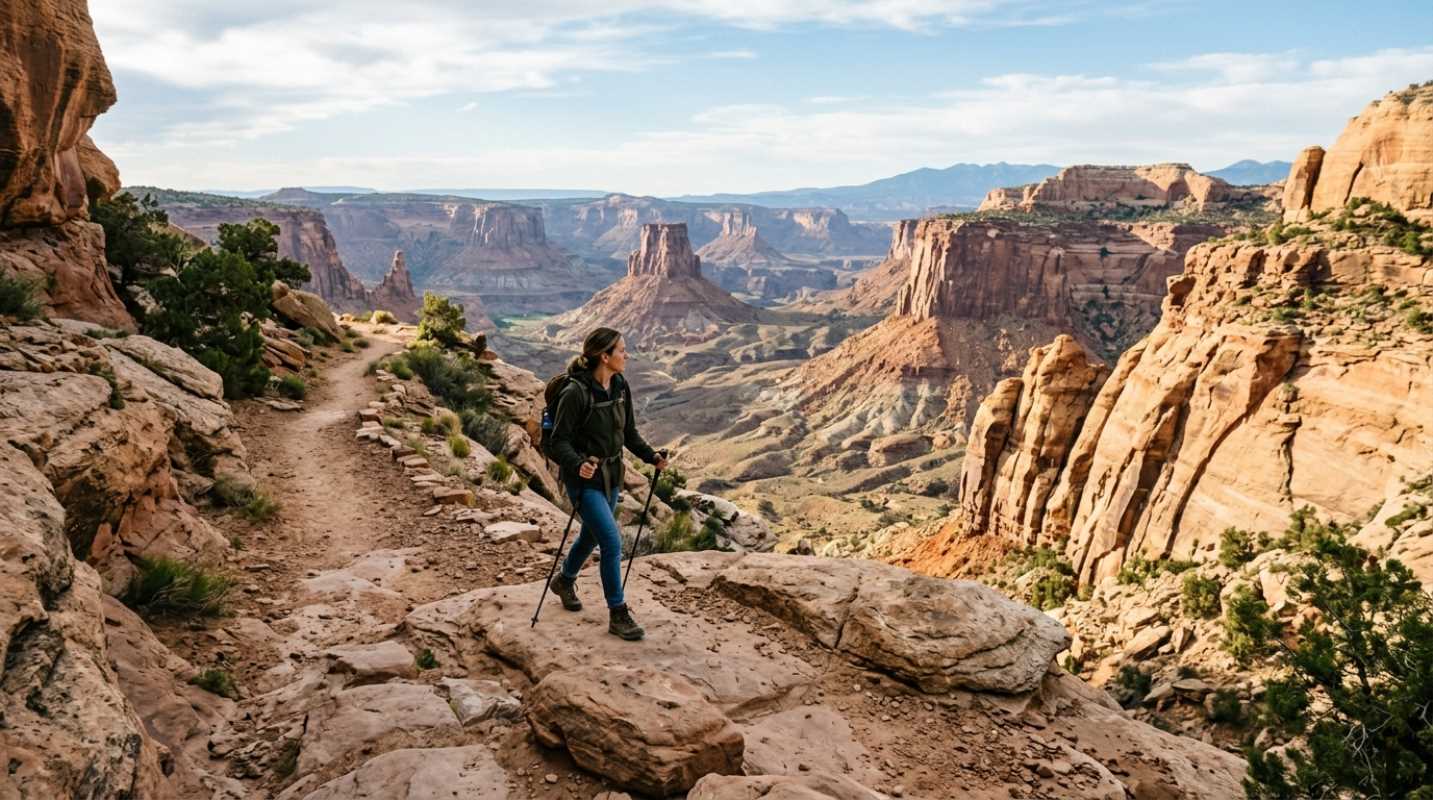
If you want to experience vast, rugged terrain where you can walk for miles without seeing another soul, southern Utah is the place to go. Grand Staircase-Escalante National Monument covers nearly 1.87 million acres of canyons, cliffs, and plateaus. It is a massive, remote region that offers the ultimate uncrowded park experience.
Unlike nearby Zion or Bryce Canyon, which are packed with tour buses, Grand Staircase-Escalante feels like a secret. The sheer scale of the terrain makes it easy to find complete solitude. You can spend your days hiking through narrow slot canyons or exploring hidden arches.
When the sun goes down, the experience gets even better. Because there is virtually no light pollution in this remote corner of Utah, the stargazing is incredible. You can see the Milky Way with perfect clarity, far from the neon glow of city life.
History Etched in Stone at Craters of the Moon
Imagine standing in the middle of a dark, volcanic ocean in the high desert of Idaho. That is exactly what it feels like to visit Craters of the Moon National Monument and Preserve. This unusual area protects a 52-mile-long crack in the Earth's crust known as the Great Rift.
What makes this place so fascinating is its young volcanic history. The most recent eruptions happened just 2,000 years ago, leaving behind a stark, otherworldly environment of basaltic lava fields, cinder cones, and deep lava tubes. It looks so much like the moon that NASA astronauts actually trained here in the 1960s.
Even though Craters of the Moon is a geological wonder, it does not get the heavy tourist traffic of major parks. It saw about 260,000 visits in 2025.³ Because the monument is so large, you can easily walk the trails in peace.
You can hike the 3.5-mile North Crater Trail to peer directly into volcanic vents. If you get a free cave permit at the visitor center, you can even walk inside Indian Tunnel, which is a massive lava tube lit by natural skylights.
Coastal Wonders at Misty Fjords
For a completely different kind of wild environment, you have to head north to Alaska. Misty Fjords National Monument is a dramatic, protected wilderness located in the southern part of the state. It is a place of deep-water fjords, towering granite cliffs, and ancient coastal rainforests.
The name is highly accurate. Mist often hangs over the water, creating a quiet, mysterious atmosphere as you travel through the narrow waterways. Because there are no roads leading into the monument, it remains incredibly pristine.
You can only reach Misty Fjords by boat or floatplane. This remote accessibility keeps the crowds away, making sure that your only companions might be bald eagles, harbor seals, or the occasional coastal brown bear. It is a perfect example of how the hardest places to reach often offer the most rewarding experiences.
If you are planning your travels, here are a few more incredible, uncrowded geological monuments to add to your list.
• Chiricahua National Monument (Arizona): Known as the Wonderland of Rocks, this monument is a maze of towering rock pinnacles, massive hoodoos, and balanced boulders. It was created 27 million years ago by a massive volcanic eruption. Chiricahua had only 70,407 visitors in 2025, making it incredibly quiet compared to the Grand Canyon's millions.² Congress is currently considering turning it into Arizona's next national park, so visit now before the crowds arrive.
• Colorado National Monument (Colorado): Often called a pocket-sized Grand Canyon, this monument has sheer red rock canyons and towering sandstone monoliths. You can drive the 23-mile Rim Rock Drive for incredible views without the gridlock of larger parks.
• John Day Fossil Beds National Monument (Oregon): This monument is a 40-million-year geological time capsule containing world-famous fossils. Its Painted Hills unit has striking clay stripes of red, gold, and black that look like a painting. It is highly remote and saw fewer than 170,000 visitors recently.
• Lava Beds National Monument (California): Located on the side of a massive shield volcano, this area has the largest concentration of lava tube caves in the country. You can get a flashlight and a free permit to explore 10 different self-guided caves on your own.
Tips for Exploring Uncrowded Parks Sustainably
When you visit these remote, protected areas, you are entering fragile environments that require extra care. Because national monuments often have fewer staff and facilities than major parks, you need to take personal responsibility for your safety and the land.
First, you must plan ahead for complete self-sufficiency. Many monuments are located in deep canyons or remote deserts where cellular service is non-existent. Download offline maps before you leave, and always travel with a full tank of gas and plenty of extra water.
Second, practice strict Leave No Trace principles. In volcanic areas like Craters of the Moon, the ground is made of fragile volcanic cinders. Walking off designated trails crushes delicate plants and causes severe erosion.
Also, leave everything exactly as you find it. It is illegal to collect fossils, rocks, or artifacts. Park rangers also urge visitors to avoid building rock cairns, which can confuse other hikers and disturb tiny habitats. Finally, pack out all of your waste, including food scraps like apple cores, which do not decompose quickly in dry climates.
Your New Adventure Awaits
The standard tourist path is crowded for a reason, but the real adventure often begins where the pavement ends and the crowds thin out. Seeking out these lesser-known national monuments gives you a chance to connect with nature on a much deeper level.
You do not need to stand in lines or fight for parking spaces to see the best geological wonders in America. The quiet canyons of Utah, the volcanic tubes of Idaho, and the misty fjords of Alaska are waiting for you.
As you plan your travels, look past the usual bucket-list destinations. You might just find that your favorite travel memory is a place you had entirely to yourself.
Sources:
1. National Geographic
https://www.nationalgeographic.com/travel/article/favorite-underrated-national-monuments
2. Cochise County Tourism Economics
https://cochiseeconomy.com/tourism-travel-traffic
3. Headwaters Economics Craters of the Moon Fact Sheet
https://headwaterseconomics.org/wp-content/uploads/2025/11/2026HE-Craters-of-the-Moon-Fact-Sheet-2026.pdf
 Adventure .jpeg)

 .jpeg)