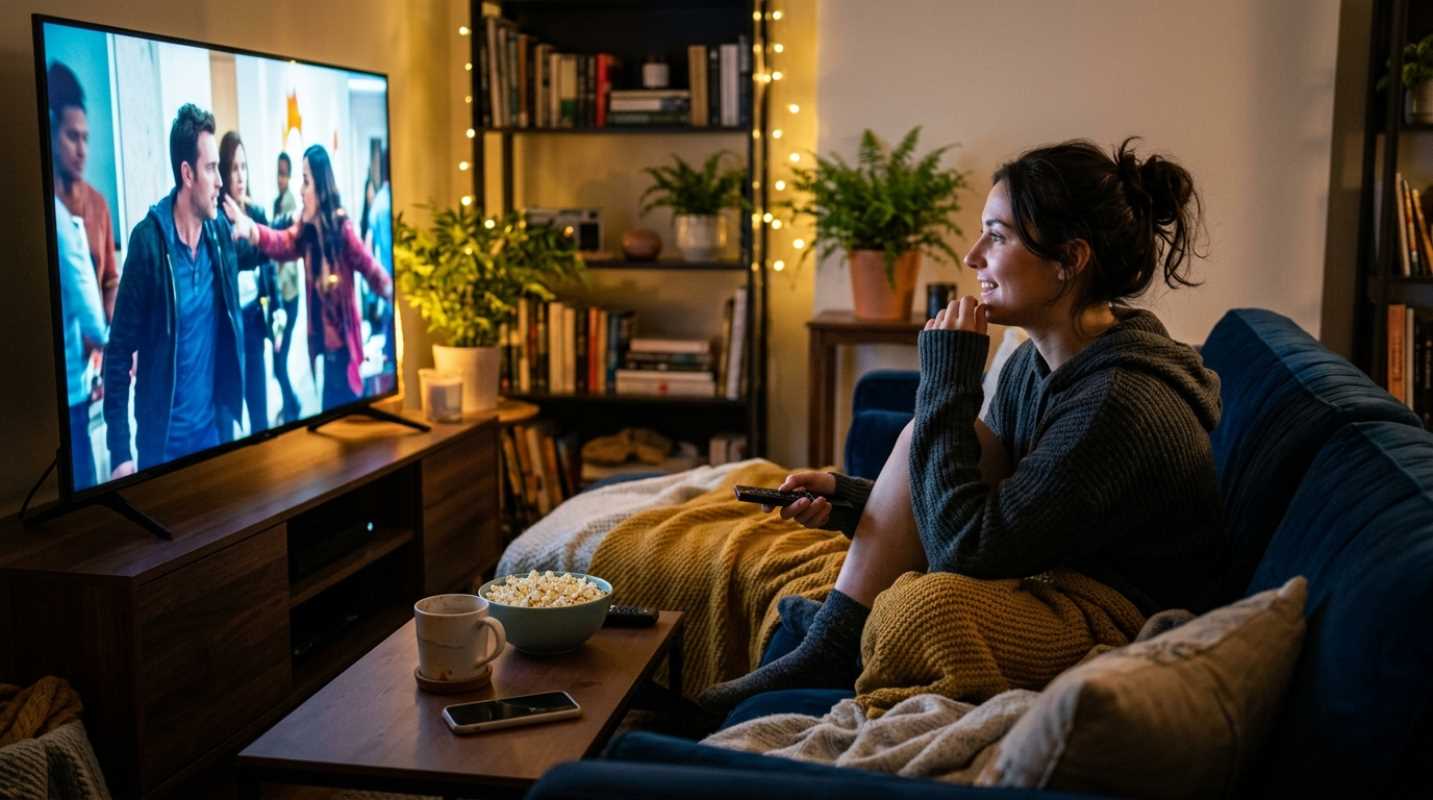
Remember the days of waiting a whole week to find out who survived the season-ending cliffhanger? Or rushing home by 8:00 PM because there was no other way to watch your favorite show? It feels like ancient history. Today, we live in a world of instant gratification, where entire seasons of television are served to us like an all-you-can-eat buffet.
As we look at our screens in 2026, it is clear that our relationship with media has fundamentally shifted. We do not just watch TV anymore. We consume it, binge it, and live it on our own terms. But how did we get here, and what did we lose along the way?
The Death of the Watercooler Moment
Remember the "watercooler moment"? It was that magical social phenomenon where everyone at the office stood around the next morning discussing the exact same episode of television. You all watched it at the exact same time the night before. If you missed it, you were left out of the conversation.
Linear television was built on this model of appointment viewing. Networks dictated your schedule, and you planned your life around theirs. But streaming blew that concept apart. Immediate access replaced the weekly wait, changing our schedules and our habits.
Psychologically, we transitioned from the sweet torture of anticipation to the instant high of gratification. Why wait seven days for a cliffhanger to resolve when you can click "Next Episode" in five seconds? This shift killed the shared national timeline. Today, you might be watching the season finale while your coworker is still on episode two, and your best friend has not even started yet. We gained convenience, but we lost the communal rhythm of storytelling.
The Rise of On-Demand Viewing Habits
What started as a niche behavior, mostly reserved for rainy weekend DVD box-set marathons, is now the default setting for entertainment. Binge-watching is no longer a guilty pleasure. It is just how we watch TV.
Have you noticed how much your phone has to do with this? Portability changed the game. We are no longer tethered to the living room couch. You can watch a gritty crime drama on your morning train commute, catch a comedy during lunch, and finish a documentary in bed. The screen is always with us, making every spare minute an opportunity to stream.
Behind the scenes, sophisticated algorithms are doing the heavy lifting. They do not just suggest what you might like. They actively shape your preferences. By tracking every pause, rewind, and late-night scroll, these systems curate a highly personalized feed. It is a feedback loop that keeps you hooked, turning casual viewers into captive audiences.
The Streaming Wars and the Battle for Quality Content
For years, streaming platforms spent money like water, chasing subscribers at all costs. But the party could not last forever. By 2024 and 2025, the industry hit a major reality check. The era of "Peak TV" officially ended as companies prioritized making money over endless growth.¹
To put this in perspective, scripted series peaked in 2022 at 600 shows, dropping to 516 in 2023.¹ By the first half of 2025, the top six global streamers, including Netflix and Disney+, slashed their scripted TV commissions by 24% year-over-year.² They went from 318 titles down to just 242.²
So what does this actually mean for your watchlist? Platforms are adopting a leaner approach. Instead of funding risky, expensive new concepts, they are shortening seasons from ten episodes down to six or eight. They are also leaning heavily on existing, proven franchises and licensing older, familiar shows. As researcher Cyrine Amor pointed out, this pullback is a strategic business shift marked by fewer original bets and a heavier reliance on licensing.²
This brings us to the paradox of choice. Have you ever spent thirty minutes scrolling through a streaming library, only to give up and watch an old sitcom for the hundredth time? More content does not always mean a better experience. Sometimes, a smaller, more curated library of high-quality shows is exactly what we actually want.
If you are feeling overwhelmed by the endless choices, we have put together a quick guide to help you handle the best platforms. Here is where you should look for your next obsession.
The Cultural Impact of the Drop Model
The "all-at-once" drop model was Netflix's signature move. But in 2026, we are seeing a massive retreat from the pure binge. To keep people from subscribing for one month, watching a show, and immediately canceling, platforms are bringing back the weekly release.
The data shows a clear shift. By 2025, weekly releases made up about 67% of the top 100 digital original series in the U.S., a huge jump from the late 2010s when binge drops ruled the school. Even Netflix is backing down, with its pure binge share dropping to 68% in 2025 as it splits big shows into multi-part batches. Amazon Prime Video is doing something similar, using a hybrid approach where new shows drop all at once to build an audience, but established hits graduate to a strict weekly rollout by their third season.
Think about the cultural lifespan of these shows. When a major series drops all its episodes at once, it is highly anticipated, but the conversation vanishes within a month. Compare that to a weekly rollout. Weekly releases create a slow burn. They give us time to write theories, talk online, and host watch parties. As Disney content planner Emily Horgan explained, the series-dump approach means you are "one and done," which is why platforms are experimenting with weekly rollouts and batching to see what works.³
It is a fascinating return to form. We wanted total freedom, but we realized that some stories are just better when we digest them together, week by week.
Looking Ahead to the Future of the Living Room
So where do we go from here? If you look at your current TV setup, it probably looks a lot like the cable package your parents used to complain about. The dream of cheap, ad-free streaming has transformed into a new era of bundling and commercials.
Here is how the living room is changing
• The Ad-Supported Shift: Viewers are trading down to cheaper, ad-supported tiers or free alternatives. Free Ad-Supported Streaming TV, or FAST channels like Tubi and Pluto TV, are exploding. In fact, total hours watched on major FAST services grew by 43% year-over-year by late 2025. Even on paid platforms, ads are winning. By 2025, 45% of Netflix's viewing hours in the U.S. were on its ad-supported tier.
• The Return of the Bundle: To make things easier on our wallets, rival companies are teaming up. We saw this with the landmark Disney+, Hulu, and Max bundle, which offered a 42% savings compared to buying them separately. Later, Apple TV+ and Peacock joined forces. We have come full circle. The streaming world has rebuilt the cable bundle it originally set out to destroy.
• The Live Sports Migration: Live sports have officially moved online. Nielsen's data showed that streaming captured a record 47.5% of total TV viewing in December 2025. Christmas Day 2025 became the most-streamed day in history, with Americans racking up 55.1 billion streaming minutes, largely driven by exclusive NFL games on Netflix and Amazon.
The convenience of streaming has permanently altered our lives. Whether we are binging a whole season in a weekend or waiting eagerly for next Wednesday's episode, the way we experience stories has changed forever. The living room has been rewritten, and there is no going back.
Sources:
1. FX's John Landgraf: 'Peak TV' Is Finally Over
https://www.nexttv.com/news/fxs-john-landgraf-peak-tv-is-finally-over-tca
2. Global Streamers' Scripted TV Commissions Fell by 24% in H1 2025
https://www.ampereanalysis.com/insight/global-streamers-scripted-tv-commissions-fell-by-24-in-h1-2025
3. To Binge or Not to Binge: How the Movement From Weekly Releases to Binge Releases Changed Television
https://theboar.org/2026/05/to-binge-or-not-to-binge-how-the-movement-from-weekly-releases-to-binge-releases-changed-television/
 .jpeg)