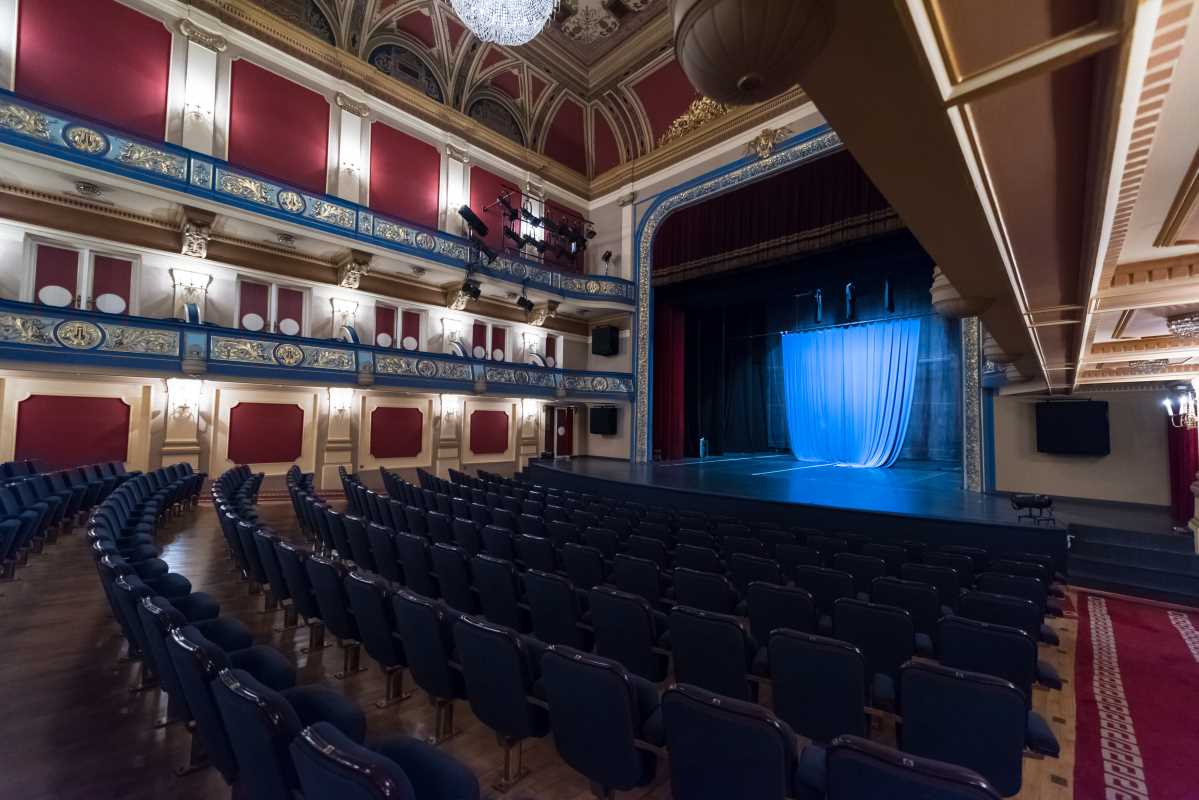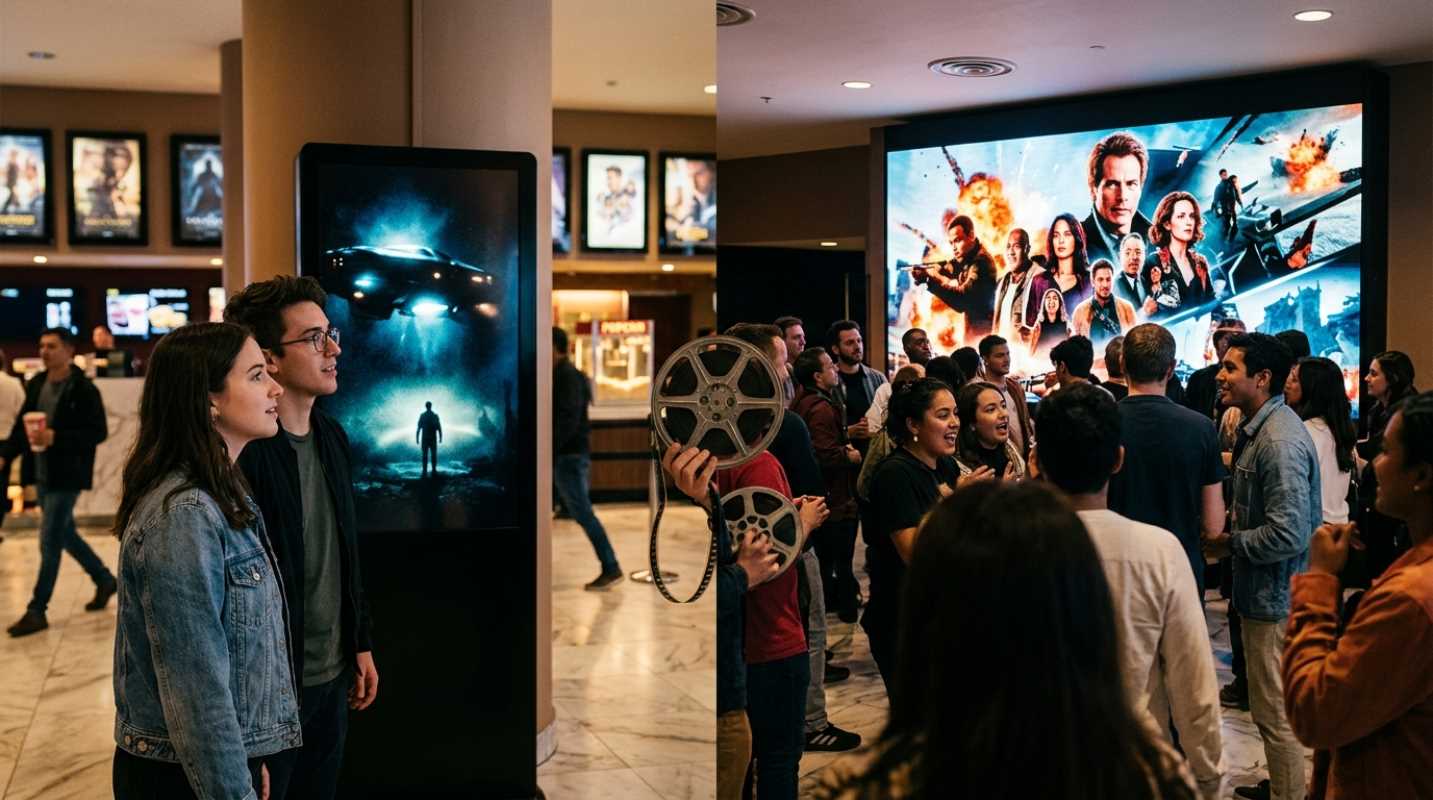
Have you ever found yourself sitting in a dark theater, popcorn in hand, realizing you're more excited for the previews than the actual movie you paid to see? You're not alone. Movie trailers aren't just advertisements anymore. Today, they're a standalone cinematic art form. They're mini-movies, carefully engineered to hijack your attention, spark intense online debates, and make you feel a rush of adrenaline in under two minutes.
It's easy to think of trailers as a permanent fixture of going to the movies, but their journey is a wild story of marketing survival. What started as a clunky, literal afterthought has become a multi-million-dollar industry. Studios now spend millions on a single two-minute cut. The way we watch these previews has completely changed, shifting from simple announcements to needed narrative experiences that shape our cultural conversations.
The Early Days and the Birth of Trailer History
To understand how we got here, we have to go back to 1913. An advertising manager named Nils Granlund had a wacky idea to promote a Broadway musical called The Pleasure Seekers.¹ He spliced together some raw rehearsal footage and projected it onto the screen. Because this clip trailed after the main feature, the industry called it a trailer.¹
The name stuck, but the placement didn't. Theater owners quickly realized a glaring flaw in this setup. As soon as the credits rolled, audiences stood up and walked out. Nobody stayed to watch the ads. To fix this, theaters moved the trailers to the beginning of the show, but they kept the original name anyway.
For the next few decades, trailer production was a virtual monopoly. A company called the National Screen Service dominated the market from 1919 through the 1960s.² These early previews were incredibly formulaic. They relied on giant, flashing text, sensationalized declarations, and basic film clips stitched together with little artistic flair. It was less about creating an emotional experience and more about screaming at the audience to buy a ticket.
The Golden Age of Teasers and Anticipation
Everything changed in the 1960s and 1970s when creative directors took back control. Alfred Hitchcock famously gave audiences a creepy, six-minute personal tour of the Bates Motel to promote Psycho. Stanley Kubrick used rapid, unsettling montages for A Clockwork Orange. Previews weren't just informational anymore. They became psychological tools designed to manipulate how you felt.
This era also birthed the teaser trailer, which is a completely different beast than a full trailer. Let's look at how these two formats stack up
• Teaser Trailers: These build early hype and spark fan theories. They usually drop six to eight months before a film releases, running about 60 to 90 seconds. They rely on a single iconic image, a snippet of dialogue, or a mood.
• Full Trailers: These arrive three to four months before release, running up to two and a half minutes. They follow a classic three-act structure to explain the plot, show the stakes, and drive actual ticket sales.
• The Budget: Although a teaser might cost less to put together, a highly polished full trailer can cost up to two million dollars to produce, which is a massive chunk of a film's marketing budget.
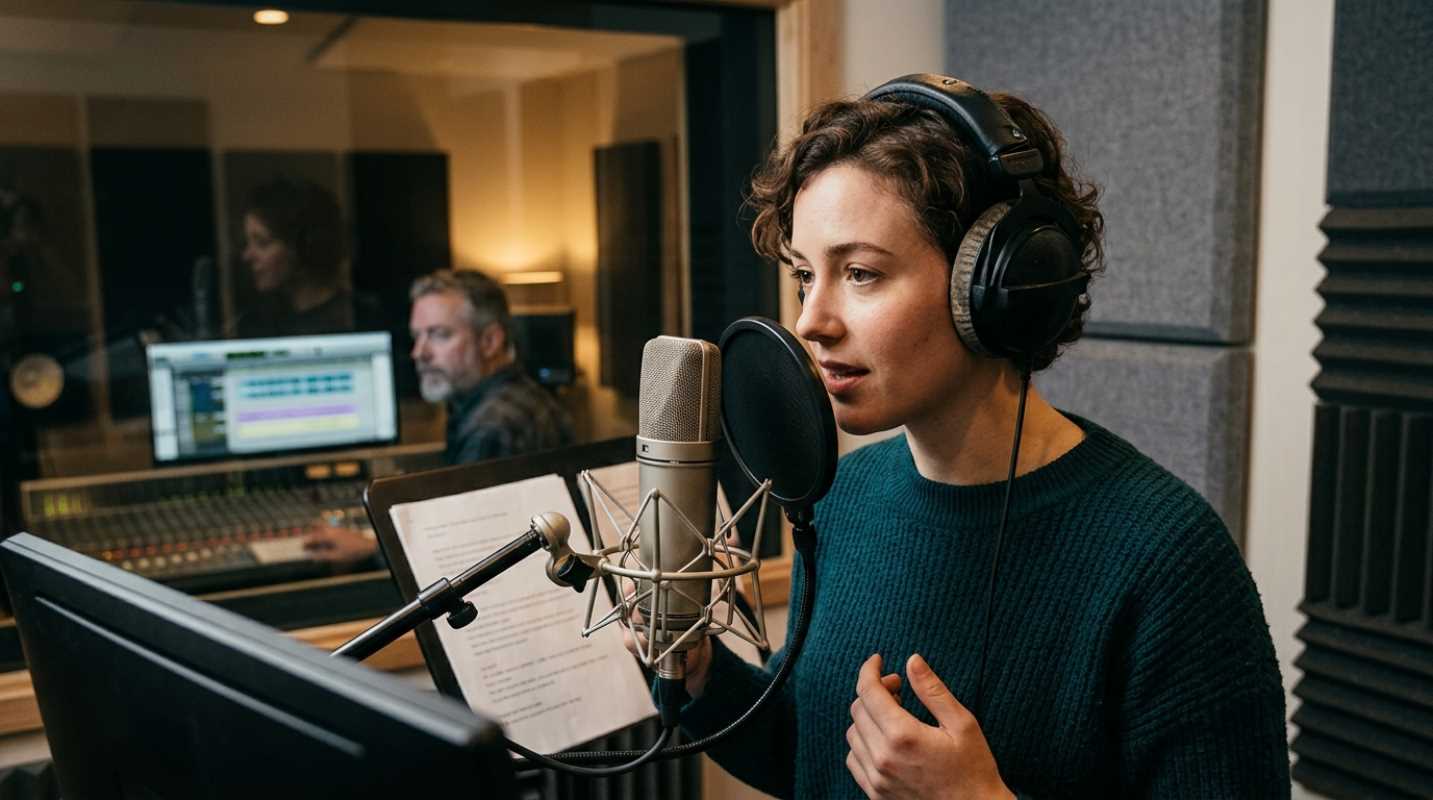
By the late 1970s, trailers became cultural events. When the preview for Star Wars hit theaters in 1977, people paid full ticket prices just to watch the 90-second clip and then left the theater.² Soon after, the era of the booming voiceover took over. Voice actors like Don LaFontaine made the phrase "In a world..." a legendary staple of our childhoods.
Today, that voiceover is gone, replaced by character dialogue and haunting, orchestral covers of popular songs. Remember the trailer for The Social Network in 2010? That creepy, choral cover of Radiohead's "Creep" changed trailer music forever, starting a trend of slowed-down, eerie pop covers that we still hear in theaters today.
Modern Film Promotion Techniques in the Digital Era
We live in a fast-paced digital world, and the way we consume trailers has changed forever. Platforms like YouTube and TikTok have turned trailer releases into global spectator sports. But with shorter attention spans, marketers had to adapt.
Have you noticed those annoying, high-speed five-second clips that play before a trailer starts on social media? Marketers call these micro-teasers or bumper ads. They're designed to hook you instantly so you don't click the skip button.
The battle for your eyeballs has also shifted from YouTube to vertical screens. A study by WaveMetrix shows that vertical, clippable formats on TikTok are actually outperforming traditional widescreen cuts on social media. People don't just want to watch a trailer anymore. They want to crop it, react to it, and share it.
Even the editing process is getting a futuristic upgrade. Studios are experimenting with AI tools like TRAILDREAMS, which is an automated trailer generator that analyzes scenes to find the most emotional or action-packed moments.³
To stand out in 2026, studios are also using chaos marketing. When Paramount promoted Smile 2, they hired actors to sit behind home plate at major league baseball games with terrifying, frozen smiles. This real-world stunt sent millions of curious viewers searching for the trailer online.
Modern film marketers view this process through three lenses: paid media (like buying expensive Super Bowl slots), owned media (posting on the studio's own social channels), and earned media. Earned media is the holy grail. It's when fans crop, meme, and share trailer moments organically.
The numbers behind these campaigns are staggering
1. Deadpool & Wolverine shattered records with 262 million views in its first 24 hours.
2. The Devil Wears Prada 2 became a massive hit in 2025, pulling in over 180 million views in a single day.
3. Christopher Nolan's 2025 film The Odyssey racked up 121.4 million views in 24 hours, with more than a quarter of those views coming directly from TikTok.
The Future of the Trailer in 2025 and Beyond
So where do we go from here? As we look at the future, trailers are becoming even more personalized. Imagine streaming a service where the trailer you see is customized to your personal taste. If you love romance, the algorithm shows you a trailer that focuses on the love story. If you love action, you get the version with explosions and car chases.
But this technology brings a big challenge. Audiences are getting tired of trailers that spoil the entire movie. We've all seen a preview that basically gives away the ending in two minutes.
The most successful trailers today are moving away from cheap spoilers. Instead, they focus on identity signaling. They show you the exact vibe and artistic style of the movie, which lets you know what kind of experience you're buying into without ruining the surprises.
If you want to keep up with the latest and greatest in movie marketing, we recommend checking out these top platforms for trailer drops and community discussions.
Why Trailers Still Matter
From their humble beginnings as post-movie advertisements in 1913 to the vertical, AI-assisted spectacles of 2026, trailers have survived every major shift in technology.¹ They're the ultimate bridge between art and commerce.
Whether you're scrolling through TikTok on your phone or sitting in a packed IMAX theater, a great trailer still has the power to make you stop, stare, and feel a sudden rush of anticipation. In a world of endless entertainment options, that short, perfect hook is more important than ever.
Sources:
1. Brown Film Magazine
https://www.brownfilmmagazine.com/blog/history-of-trailers-will-havens
2. Hollywood Insider
https://www.hollywoodinsider.com/evolution-movie-trailers/
3. Online Journal of Communication and Media Technologies
https://www.ojcmt.net/download/trailer-reimagined-an-innovative-llm-driven-expressive-automated-movie-summary-framework-traildreams-16669.pdf

 .jpeg)